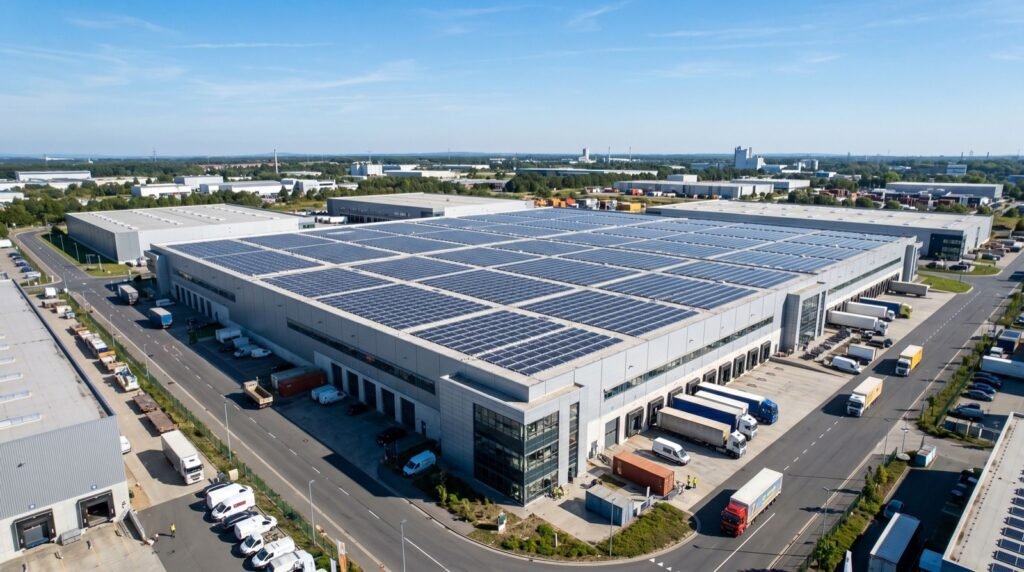
Solar Projects in Pakistan: 2026 Guide for Businesses
Rising grid tariffs and frequent load-shedding have pushed Pakistani businesses to act. Well-planned solar projects in Pakistan now cut electricity bills by 40–70% while protecting operations from unstable supply. In 2026, commercial rooftops from Lahore factories to Islamabad offices are becoming power plants that pay for themselves.
This guide explains how a professional solar project is scoped, financed, and delivered. Whether you run a textile unit, a cold store, or a retail chain, the right approach turns a capital cost into a long-term asset.
Why Solar Projects in Pakistan Make Business Sense in 2026
Pakistan receives roughly 5–7 kWh of solar energy per square metre every day, one of the highest irradiation levels in the region. According to the International Renewable Energy Agency, falling panel prices have made solar the cheapest new power source across South Asia.
For businesses, the math is simple. Grid units keep getting dearer, while a rooftop system locks your generation cost for 25 years. Payback periods have shrunk to roughly 2.5–4 years for commercial installs.
- Lower bills: daytime loads run on free solar instead of expensive grid units.
- Energy security: production continues during outages when paired with storage.
- Net metering credits: surplus units feed back to the grid for billing offsets.
- Green branding: clients and lenders increasingly reward low-carbon operations.
Choosing the best solar company in Pakistan matters more than chasing the lowest quote, because engineering quality decides your 25-year return.
Stages of a Professional Solar Project
A serious commercial install is a structured engineering project, not a quick product sale. Reputable firms follow a clear sequence that protects your investment.
From Audit to Handover
- Energy audit: engineers study 12 months of bills and load patterns.
- Site survey: roof strength, shading, and orientation are measured.
- System design: panel, inverter, and cable sizing matched to your demand.
- Net metering application: paperwork filed with your DISCO and NEPRA.
- Installation & commissioning: mounting, wiring, testing, and monitoring setup.
You can review real portfolios of completed solar projects in Pakistan to judge build quality before signing. Site photos, system sizes, and client references reveal far more than a brochure.
How Big Should Your Commercial System Be?
Sizing depends on your daytime consumption, available roof area, and whether you want net metering or hybrid backup. A rule of thumb: every 1 kW of panels needs about 70–90 square feet of unshaded roof and produces roughly 4–4.5 units daily.
The table below shows typical commercial tiers seen across Pakistani businesses in 2026.
| System Size | Best For | Roof Area | Daily Output |
|---|---|---|---|
| 15 kW | Small offices, clinics | ~1,200 sq ft | ~65 units |
| 50 kW | Retail chains, schools | ~4,000 sq ft | ~220 units |
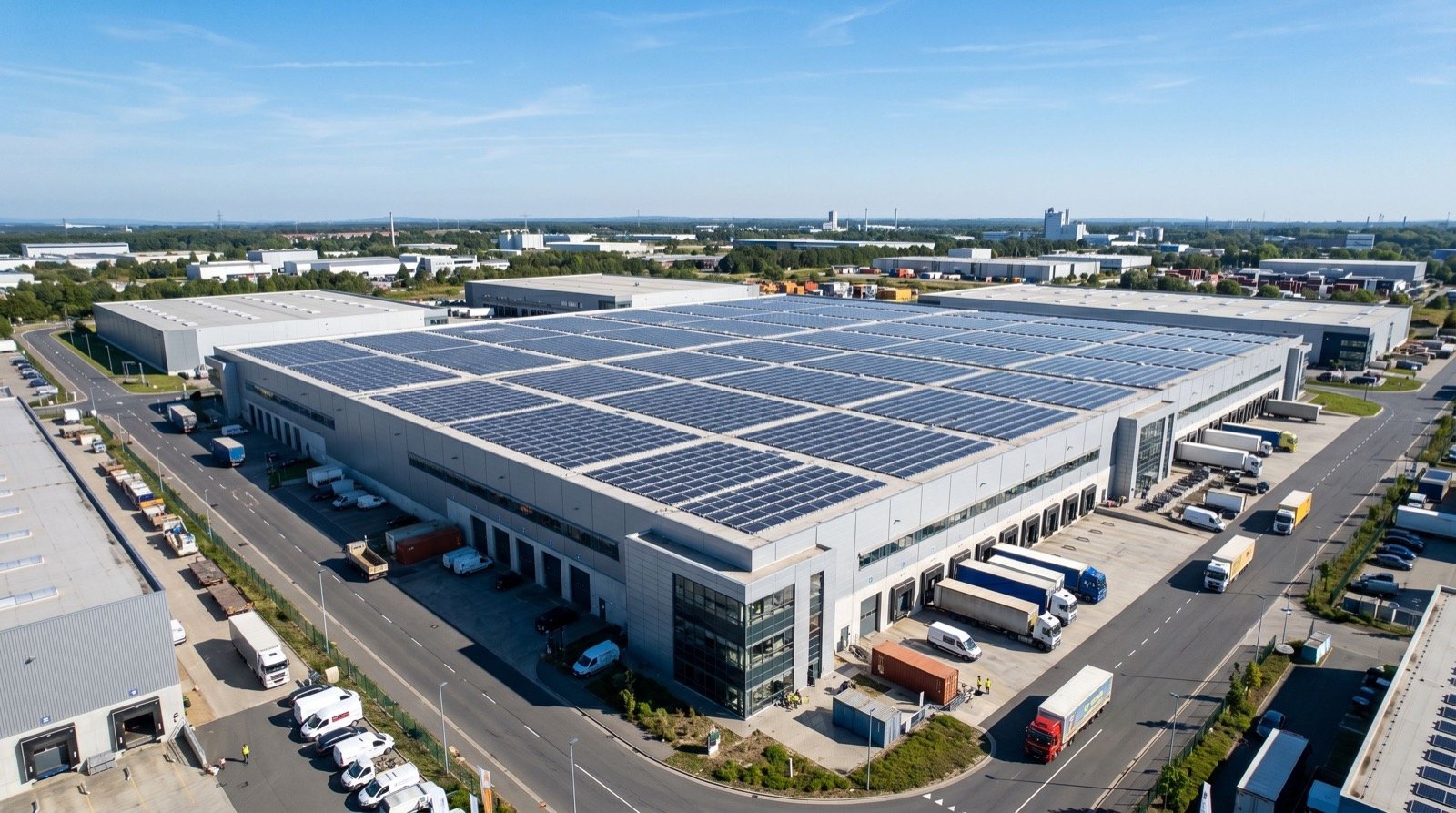
| 100 kW | Factories, warehouses | ~8,000 sq ft | ~450 units |
| 500 kW+ | Industrial estates | ~40,000 sq ft | ~2,250 units |
Oversizing wastes capital; undersizing leaves savings on the table. A proper audit balances both against your net metering sanctioned load.
Net Metering and Payback
Net metering lets your business export surplus daytime generation and draw it back at night, offsetting your bill. The National Electric Power Regulatory Authority (NEPRA) governs these connections, with distribution companies approving systems up to your sanctioned load.
Most commercial projects reach breakeven in under four years, then deliver two decades of near-free power. Factoring in annual tariff hikes, the effective return often beats conventional business investments.
- Capex model: you own the system and keep all savings.
- Leasing/EMI: spread cost over installments against monthly savings.
- Hybrid: add batteries for critical loads during outages.
Common Mistakes to Avoid
Many first-time buyers focus only on panel wattage. In practice, inverter quality, cable sizing, and after-sales service decide whether your project performs for 25 years or fails in three.
Work only with trusted professionals who provide documented warranties, performance monitoring, and local service teams. Cheap no-name components rarely survive Pakistan’s heat and dust.
Red Flags in a Quote
- No site visit before pricing.
- Vague or missing inverter and panel brand names.
- No written net metering support.
- Prices far below the market with no warranty paperwork.
Maintenance and Monitoring
Solar is low-maintenance but not no-maintenance. Dust on panels can cut output by 15–25% in dry months, so periodic cleaning matters. Smart monitoring apps flag underperforming strings before they dent your savings.
Schedule a professional inspection at least once a year to check connections, mounting torque, and inverter health. Good firms bundle this into an annual maintenance contract.
Which Industries Gain the Most From Solar?
Any business with heavy daytime consumption is a strong candidate, because solar output peaks when offices and factories are busiest. The sectors below are leading adoption across Pakistan in 2026.
- Textiles and garments: large roofs and daytime machinery loads make returns fast.
- Cold storage and food processing: constant refrigeration pairs perfectly with solar plus storage.
- Schools and hospitals: predictable daytime demand and strong sustainability mandates.
- Retail and hospitality: lighting, cooling, and signage run exactly when the sun shines.
- Agriculture: solar tube wells slash diesel costs for irrigation.
Each sector tunes system size, storage, and net metering differently, so a one-size quote rarely fits. An experienced engineering team models your specific load curve before proposing a design.
Financing Your Solar Project
Upfront cost no longer blocks adoption. Several State Bank refinancing schemes and bank green-energy loans now fund commercial solar at concessional rates, spreading the investment across years of savings.
Compare the full picture, not just the sticker price. A slightly higher-quality system that generates more units and lasts longer usually beats a cheap build on total cost of ownership. Ask any vendor for a clear production estimate, a degradation curve, and a written warranty schedule before you commit.
Smart operators also phase their rollout. Starting with a flagship site proves the savings, builds internal confidence, and creates a template for replicating success across every branch or plant you own.
Frequently Asked Questions
How long do solar projects in Pakistan take to install?
A typical commercial rooftop of 50–100 kW is installed in one to three weeks after survey and design approval. Net metering connection may add a few weeks depending on your DISCO’s processing time.
What is the lifespan of a commercial solar system?
Quality panels carry 25–30 year performance warranties, while inverters typically last 8–12 years before replacement. With basic maintenance, systems routinely outlive their payback several times over.
Can I expand my system later?
Yes. If you plan ahead, engineers can size cabling and inverter capacity to allow future panel additions as your load grows, avoiding costly rework.
Is net metering worth it for businesses?
For most daytime-heavy operations, yes. Net metering converts surplus generation into billing credits, shortening payback and maximizing the value of every installed kilowatt.
Final Thoughts
Well-executed solar projects in Pakistan are among the smartest investments a business can make in 2026. They slash operating costs, hedge against tariff shocks, and strengthen your sustainability story. Start with a proper energy audit, demand documented engineering, and partner with a firm that stands behind its work for the full 25-year life of the system.