Addasound Epic 511 Review: Best Call Center Headset for 2026
Call center agents spend six to eight hours a day with a headset clamped to their ear, which means the headset is not a minor accessory — it is a piece of safety and productivity equipment. The Addasound Epic 511 has become one of the most requested models among Pakistani and Gulf-region call centers in 2026, and this review walks through why, along with how it compares to the alternatives most teams consider.
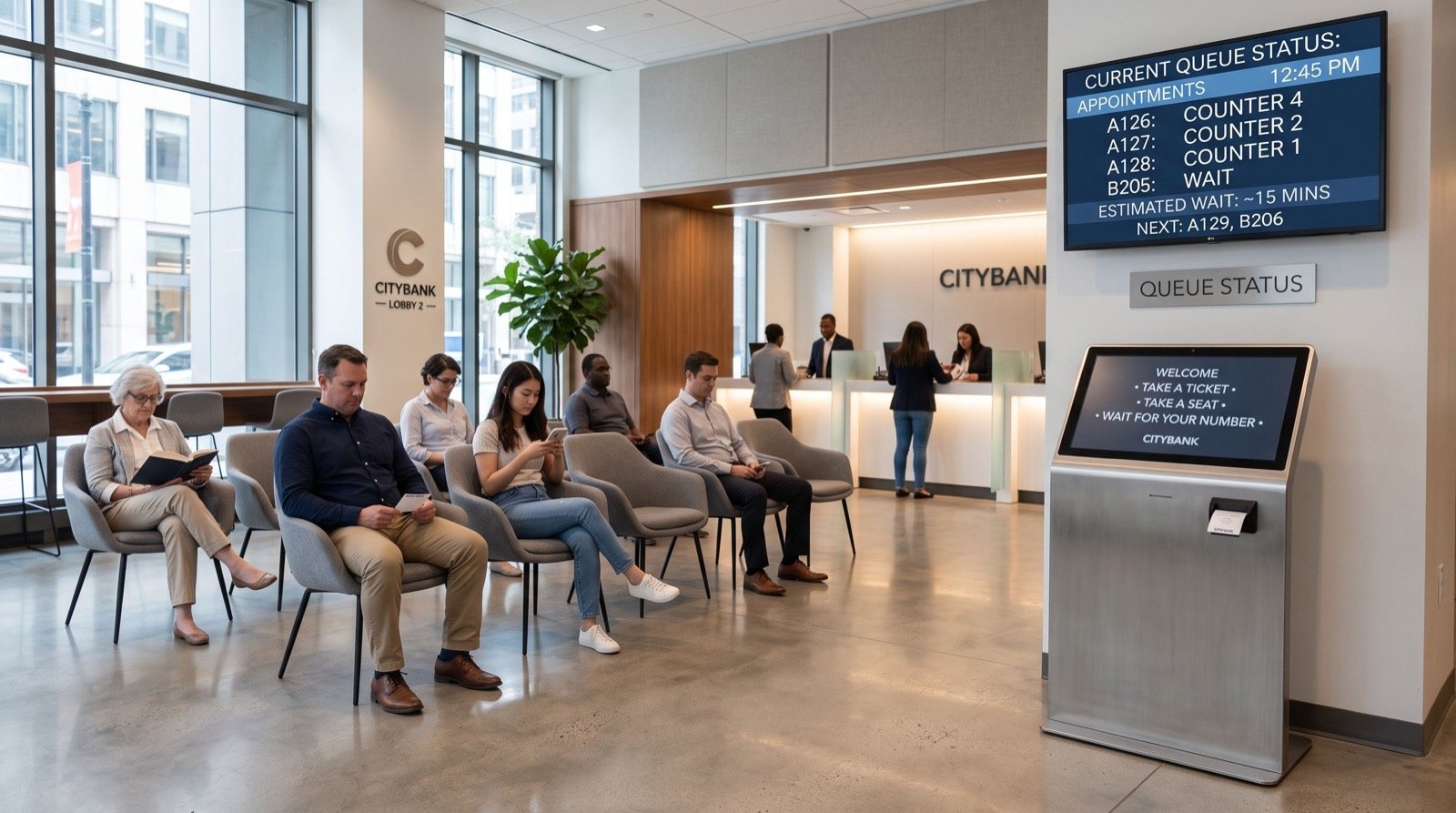
We also look at where headsets fit alongside front-desk tools like a queue management system in saudi arabia, since many call centers now manage both phone queues and in-branch walk-in queues from the same operations floor.
What Makes the Addasound Epic 511 Stand Out
The Epic 511 is a monaural, noise-canceling headset built specifically for high-volume phone work rather than casual music listening. Its microphone boom uses active noise cancellation tuned for voice frequencies, which matters enormously in open-plan floors where dozens of agents are talking at once.
Build quality is the other differentiator. Call center headsets fail constantly from cable stress and headband fatigue, and the Epic 511’s reinforced joints are designed specifically to survive the twelve-hour rotating shifts common in outsourced support operations.
Comparing Call Center Headsets Side by Side
| Headset Type | Noise Cancellation | Comfort (8hr shift) | Best For |
|---|---|---|---|
| Basic wired monaural | Low | Fair | Low-call-volume desks |
| Addasound Epic 511 | High | Very good | High-volume call centers |
| Wireless DECT headset | Medium | Good | Agents who move around |
| Consumer Bluetooth earbuds | Low | Poor over long shifts | Not recommended for call centers |
Why Noise Cancellation Isn’t Just About Call Quality
Noise exposure in loud call center environments is a genuine occupational health concern, not just a comfort issue. Guidance from the U.S. National Institute for Occupational Safety and Health (NIOSH) notes that prolonged exposure to high ambient noise, even through a headset, can contribute to hearing fatigue over a full shift.
A headset with strong passive and active noise cancellation reduces how loud agents need to set their volume to hear customers clearly, which in turn reduces cumulative noise exposure across a workday.
Headsets and Queue Software Now Work Together
Modern call centers rarely handle only phone traffic. Many also staff a walk-in service counter, and the same floor supervisors who monitor headset call quality increasingly monitor a queue management system in saudi arabia dashboard for in-person customers at the same time.
This dual setup means hardware procurement decisions should not happen in isolation. A floor that standardizes on one reliable headset model and one queue platform cuts down on the number of vendors IT has to manage and the number of different troubleshooting guides staff need to learn.
Buying Checklist Before You Order in Bulk
- Confirm the connector type (USB, RJ9, or QD) matches your existing phone or softphone system before ordering in bulk.
- Ask for a sample unit and test it on your actual floor noise level, not a quiet showroom.
- Check warranty terms — call center headsets see far more daily wear than office headsets.
- Budget for spares; a headset failure mid-shift should never take an agent off the floor for long.
Finding a Trustworthy Supplier
Bulk headset orders are a recurring expense, so the supplier relationship matters as much as the hardware spec sheet. Look for quality service providers who offer replacement stock on hand and responsive support rather than a one-time sale. The same logic applies broadly to any recurring vendor relationship, as this piece on quality service providers and building lasting financial security points out — reliability over time beats a slightly lower upfront price.
Total Cost of Ownership for a Headset Fleet
A single headset price tag is easy to compare, but call center managers rarely buy just one unit. Fleet-level costs include replacement cushions, cable repairs, and periodic full replacements as units wear out from daily twelve-hour shift rotations.
Cheaper consumer-grade headsets often look attractive on a spreadsheet but fail within six to twelve months of continuous floor use, forcing a second purchase cycle sooner than expected. A unit built specifically for call center duty, like the Epic 511, generally spreads its cost over a longer service life, which lowers the effective annual cost per agent even though the sticker price is higher upfront.
| Cost Factor | Consumer Headset | Call Center Headset |
|---|---|---|
| Typical lifespan | 6–12 months | 24–36 months |
| Replacement cushion availability | Rare | Standard |
| Warranty coverage | Limited | Business-grade |
| Noise cancellation for shared floors | Weak | Strong |
Training Agents to Get the Most Out of Any Headset
Even the best headset underperforms if agents wear it incorrectly or never adjust the microphone boom distance from their mouth. A short five-minute fitting session during onboarding — covering boom placement, volume limits, and proper storage between shifts — measurably extends headset lifespan and improves call audio quality.
Supervisors should also set a simple house rule: headsets go on a charging or storage dock at the end of a shift, not left tangled on the desk. This single habit change prevents a large share of the cable and connector damage that leads to early replacements.
Signs It’s Time to Replace a Headset
- Customers repeatedly ask the agent to repeat themselves despite normal speaking volume.
- Visible cracking or fraying near the cable connector or boom joint.
- Ear cushion foam has flattened or peeled, reducing comfort over a full shift.
- Agents report ringing or fatigue in the ear after shorter shifts than before.
Replacing a headset proactively, before it fails mid-call, costs far less than the lost call and the customer frustration that comes with a dropped or garbled conversation.
Frequently Asked Questions
What Is the Addasound Epic 511 Best Suited For?
It is designed for high-volume phone agents who need reliable noise cancellation and durability across long rotating shifts, making it a strong fit for outsourced and in-house call centers alike.
How Long Does a Call Center Headset Typically Last?
With moderate care, a well-built monaural headset like the Epic 511 typically lasts two to three years of daily shift use before cable or cushion replacement becomes necessary.
Do I Need Different Headsets for Wireless Versus Wired Setups?
Yes. Wired models like the Epic 511 are generally more durable and cost-effective for fixed desks, while wireless DECT headsets suit agents who need to move away from their desk during calls.
Can Headsets and Queue Management Software Share the Same IT Support Contract?
In most cases yes, especially if both are sourced from the same technology partner, which simplifies warranty claims and reduces the number of support numbers staff need to call.
Final Thoughts
A good headset is one of the cheapest upgrades a call center can make relative to the productivity and health benefits it delivers. The Addasound Epic 511 holds up well against pricier alternatives for high-volume floors, and pairing it with a solid queue management system in saudi arabia for walk-in traffic rounds out a well-equipped service operation for 2026 and beyond.